Blog ·
Smart Packing Strategies to Protect Your Belongings
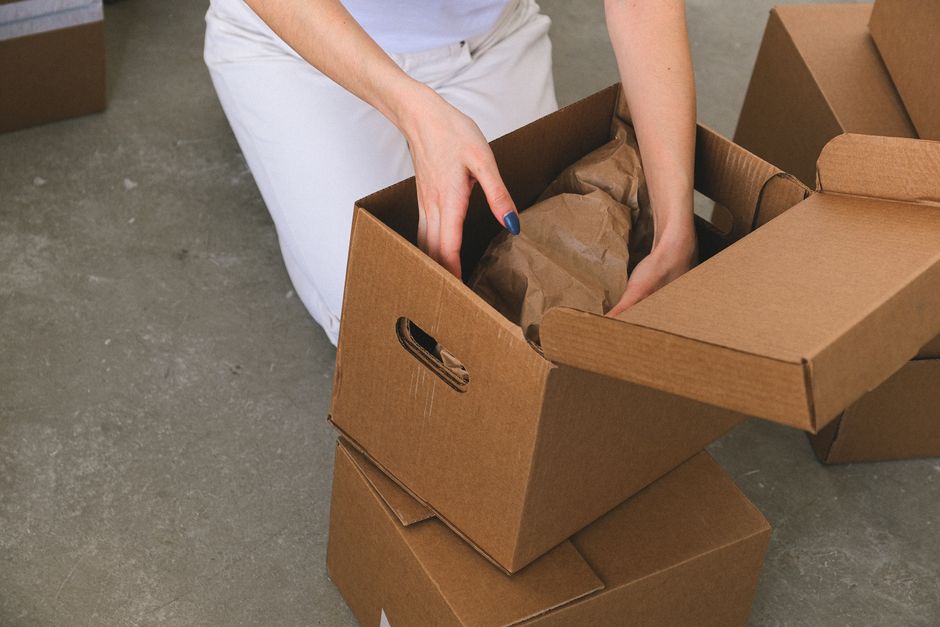
Packing is perhaps the most time-intensive aspect of moving, but strategic packing protects your belongings and makes unpacking far simpler. The key is approaching it methodically rather than haphazardly tossing items into boxes.
Start by gathering quality packing materials. Sturdy boxes in various sizes, packing tape, bubble wrap, packing paper, and markers are essential. Don't skimp on box quality—weak boxes can collapse under weight or during transport, damaging contents.
Pack room by room. This organization system makes unpacking infinitely easier when you arrive at your new home. Label every box clearly with the room it's intended for and a brief description of contents. Include box numbers (Box 1 of 15 for the kitchen, for example) to help track inventory and ensure nothing goes missing.
Use a color-coding system for rooms. Assign each room a color and mark boxes accordingly. Red for bedrooms, blue for kitchens, green for living areas—this visual system helps movers quickly identify where boxes belong, even without reading labels.
Pack strategically to maximize space and protection. Place heavier items in smaller boxes and lighter items in larger ones. This prevents boxes from becoming too heavy to lift safely. Wrap fragile items individually in bubble wrap or packing paper, then cushion them with crumpled paper or packing peanuts.
Keep an essential box separate. This box should contain items you'll need immediately: medications, phone chargers, toiletries, a change of clothes, basic tools, and important documents. This ensures you have necessities accessible even if other boxes aren't unpacked yet.
Prepare electronics for transport. Take photos of your electronics setup—which cables connect where—before disconnecting them. Label cables with painter's tape indicating their purpose. This makes reconnecting everything at your new home straightforward.
Use towels, linens, and clothing as packing material. Wrap plates in t-shirts, pack fragile items in sweaters, and use pillows as cushioning. This saves packing materials and maximizes limited box space.
Pack your car separately with irreplaceable items, important documents, and valuables. This gives you peace of mind and ensures these essentials aren't lost in transit.
Don't overpack boxes. While it's tempting to fit everything possible into each box, overstuffed boxes are difficult to transport safely and prone to bursting. Err on the side of fewer, properly-packed boxes.
Strategic packing transforms the moving process. When items arrive at your new home properly protected and organized, you can begin settling in immediately rather than dealing with damage or chaos. Take time with packing now, and you'll thank yourself later.